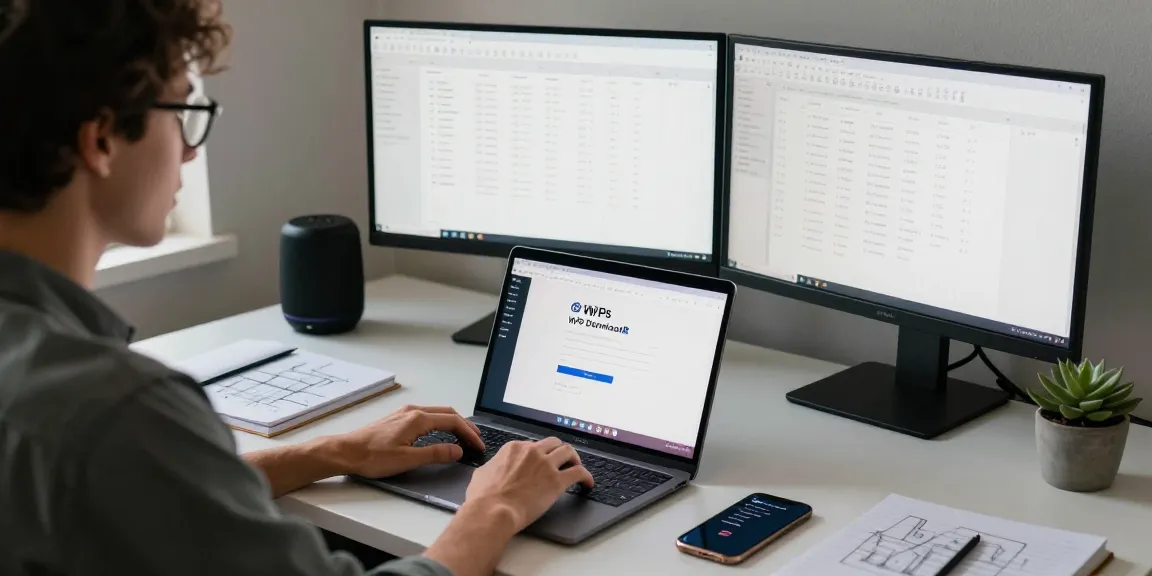
Understanding AI Laptops
In recent years, the integration of artificial intelligence (AI) within personal computing devices has transformed the landscape of technology. AI laptops have emerged as powerful tools that blend the capabilities of advanced computing with intelligent features designed to enhance user productivity. As we move into 2026, understanding the nuances of AI laptops becomes increasingly vital for professionals, students, and tech enthusiasts alike.
What Defines an AI Laptop?
An AI laptop is defined by its ability to utilize artificial intelligence technologies to optimize performance and personalize user experiences. Unlike traditional laptops, these devices are equipped with dedicated AI processing units (APUs) or neural processing units (NPUs) that enable them to perform complex tasks. This can include anything from predictive text input to advanced facial recognition and voice command functionalities. Today’s AI laptops are designed not just for computing power but also for providing smarter, adaptive responses to user commands.
Key Features and Benefits of AI Laptops
- Enhanced Performance: AI laptops leverage machine learning algorithms to optimize hardware usage, ensuring faster processing times and improved battery life.
- Personalized User Experience: They learn user habits over time, allowing for a tailored experience that enhances productivity.
- Advanced Security: With AI-driven security features, these laptops can offer biometric authentication options that provide better protection against unauthorized access.
- Intelligent Software Integration: AI laptops come pre-installed with software capable of leveraging AI to assist with tasks such as scheduling, email management, and more.
Industries Most Impacted by AI Laptop Technology
The impact of AI laptops extends across various industries, improving efficiencies and driving innovation. Key sectors include:
- Healthcare: AI laptops are instrumental in analyzing patient data and assisting with diagnostic procedures.
- Finance: They can execute complex algorithms for real-time market analysis and risk assessment.
- Education: Schools and universities utilize AI laptops to personalize learning experiences for students.
- Creative Industries: Designers and content creators benefit from AI tools that assist in creative workflows and project management.
Choosing the Right AI Laptop for Your Needs
When exploring options, AI laptop features vary significantly across brands and models, making it essential to choose wisely based on your specific needs.
Factors to Consider When Buying an AI Laptop
- Performance Specifications: Look for a laptop with a high-performance CPU, sufficient RAM, and a powerful GPU, as these components enhance AI processing capabilities.
- Battery Life: Since AI tasks can be demanding, efficient battery life is crucial for mobility.
- Display Quality: A high-resolution display improves user interactions, especially for creative professionals.
- Portability: Weight and size should be considered if you travel frequently.
Top AI Laptop Brands and Models for 2026
As of 2026, several brands stand out in the AI laptop market, including:
- Apple: The MacBook Pro with M4 chip is celebrated for its exceptional performance in AI tasks.
- Dell: The XPS line features advanced AI capabilities optimized for both personal and professional use.
- Lenovo: Known for its Yoga series, which boasts integrated AI features for enhanced productivity.
- ASUS: Their Zenbook series includes models that excel in AI processing, along with sleek designs and portability.
Budget vs. High-End AI Laptops: Which is Right for You?
Budget AI laptops offer essential features and can perform basic tasks effectively, making them suitable for casual users. However, high-end models deliver superior performance, advanced capabilities, and enhanced durability. The choice depends on intended use—casual browsing may suffice with a budget model, while professionals in demanding roles might necessitate high-end specifications.
Maximizing Productivity with AI Laptops
To fully leverage the potential of AI laptops, users must integrate them into their workflows efficiently.
Effective Workflows with AI Software Integration
AI software tools can enhance productivity by automating repetitive tasks, managing schedules, and even suggesting optimized workflows based on user behavior. For instance, using AI-driven project management software can help teams collaborate more effectively and keep projects on track.
Real-World Use Cases: Success Stories of AI Laptop Adoption
Many organizations have successfully integrated AI laptops into their operations, leading to significant productivity gains. For example, a marketing firm utilizing AI-driven analytics software has improved campaign outcomes through more precise targeting and timely adjustments based on real-time data.
Common Challenges and How to Overcome Them
While AI laptops offer substantial benefits, users may encounter challenges such as software compatibility issues and learning curves associated with new technology. It’s essential to provide adequate training and support to ensure a smooth transition to these advanced tools.
Future Trends in AI Laptop Technology
The future of AI laptops looks promising, with continuous advancements in technology enhancing their capabilities.
Predictions for AI Laptop Developments in 2026 and Beyond
- Increased AI Integration: Future AI laptops will likely feature deeper integration with AI-driven software, allowing for even more sophisticated user experiences.
- Enhanced Security Features: As cyber threats evolve, AI laptops will incorporate advanced security protocols that adapt to new threats in real-time.
- Sustainability Measures: Innovations in hardware design will focus on energy efficiency, reducing the environmental impact of laptop production and usage.
The Role of AI in Shaping Next-Gen Laptops
AI is set to redefine next-gen laptops by creating devices that better understand user needs, anticipate actions, and suggest solutions proactively. This transformation will enhance user satisfaction and streamline productivity across various sectors.
Emerging Technologies that Will Influence AI Laptops
- Quantum Computing: As this technology matures, it may provide unprecedented processing power for AI calculations.
- 5G Connectivity: Faster and more reliable internet will enable AI laptops to perform more advanced tasks on-the-go with minimal latency.
- Augmented Reality (AR) and Virtual Reality (VR): Integration of AR/VR with AI capabilities will create immersive experiences for users, especially in design and simulation fields.
Frequently Asked Questions
What is the difference between an AI laptop and a regular laptop?
AI laptops have specialized hardware (like APUs or NPUs) that can perform machine learning tasks and optimize user experiences, while regular laptops do not have these features.
Do I need an AI laptop for everyday tasks?
For most everyday tasks, a regular laptop suffices. However, if you require advanced features such as voice recognition, predictive text, or specific AI-driven applications, an AI laptop could significantly enhance your productivity.
What are the best AI laptops currently available?
Some of the top AI laptops in 2026 include the Apple MacBook Pro with M4 chip, Dell XPS models, and Lenovo Yoga series, all acclaimed for their performance and AI capabilities.
How can I enhance my productivity using an AI laptop?
Utilize AI-driven software to automate repetitive tasks, streamline project management, and leverage intelligent suggestions that adapt to your work patterns.
Are AI laptops worth the investment in 2026?
Investing in an AI laptop can be worth it, especially for professionals whose work relies on advanced computing tasks, data analysis, and enhanced security features that traditional laptops may lack.